The question nobody enjoys
Every few months someone announces that India is finally waking up to protein. QSR chains add protein menus, D2C brands reposition, the big conglomerates quietly get their factories ready. Demand was never the question.
The question nobody enjoys is who actually makes this stuff at a price people will pay, batch after batch, audited and the same every time. That is a manufacturing problem, not a marketing one. And it is the part I have spent the last few years at the unglamorous end of.
We are not a brand. We are the line behind the brands: soya chaap, high-protein pasta and vermicelli, fortified rice and dal, the formats people already eat without being lectured about them.
I got it wrong first
For a while I got the whole thing wrong. We did not set out to make chaap. We set out to make plant-based meat, the western dream, and I pitched it exactly the way those companies do. Plant-based meat alternative, better for you and the planet, the whole imported script.
Premium positioning. Protein isolates and concentrates, which are the priciest form of the input. A sustainability line stapled to the pack. It flopped. Not the product, the pitch and the cost structure underneath it.
It took me embarrassingly long to see that nobody here was waiting to be sold a meat substitute. They wanted affordable protein that tastes good and does not cost what paneer costs.
The autopsy: it was expensive before it left the factory
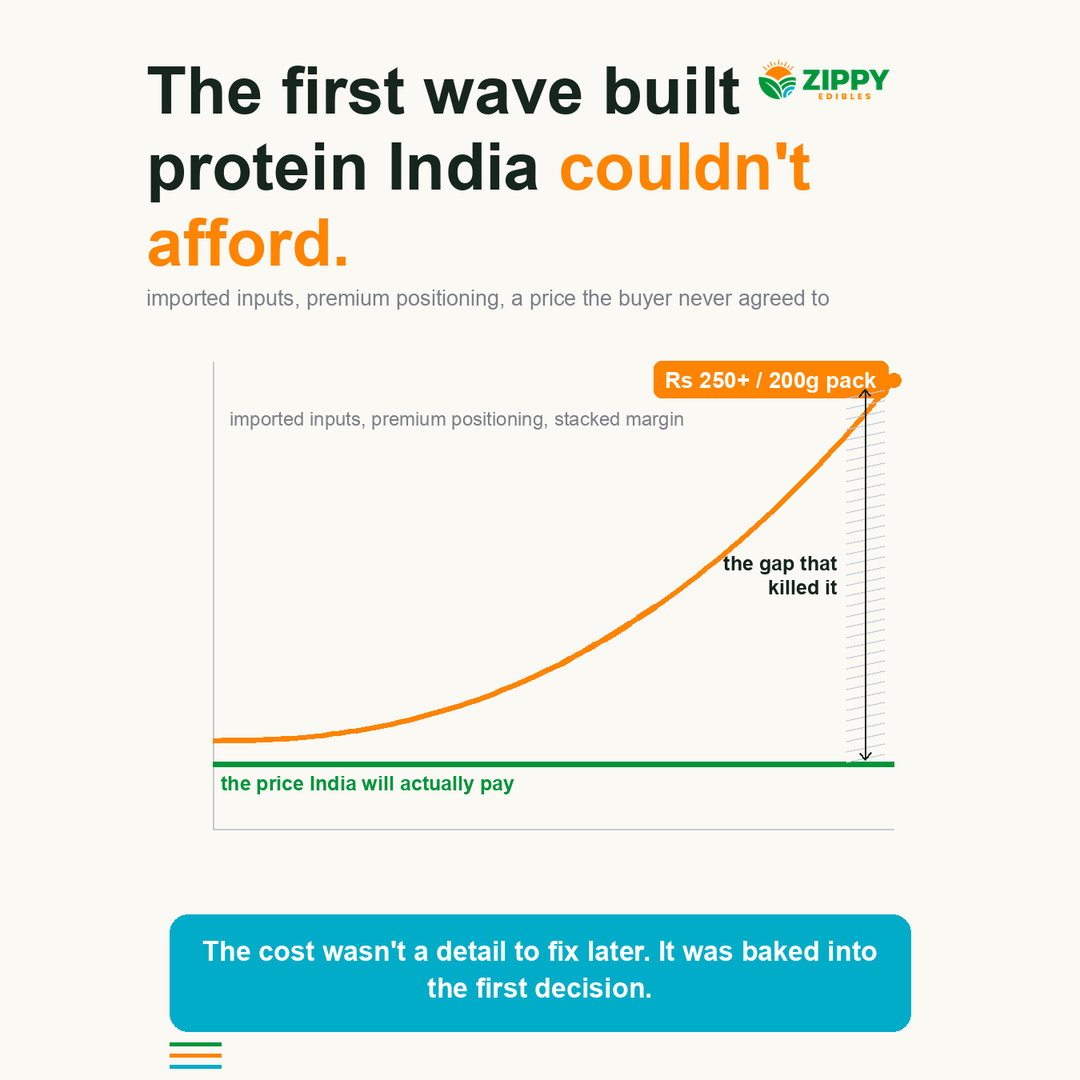
It helps to look at how the first wave was actually built, because the cost was not an accident. The protein came from imported isolates and concentrates, about the priciest form of the input you can buy. Premium positioning went on top of that, then brand margin on top of that, and the whole thing got wrapped in packaging built to signal that it cost a lot.
Those packs sat north of Rs 250 for a 200 gram pouch, in a country where most people buy their protein counting rupees. That number was not a detail anyone could fix later once volumes grew. It was baked into the very first decision, the choice of input and positioning, long before the factory ran a single batch.
And it solved for a buyer who doesn't exist here
The story stapled to it did not help either. It got sold as a meat alternative, with a side of save-the-planet and better-for-you. But the buyer here never asked for a substitute for meat, and the guilt about the planet is a western shopper's reason to reach for the shelf. It was never really ours.
So the pitch was solving for a customer who mostly does not exist in this market, at a price the customer who does exist was never going to pay. Wrong buyer and wrong price at the same time. The first wave was not wrong that India needs more protein. It was wrong about who the buyer is and what they will pay for.
The less glamorous answer
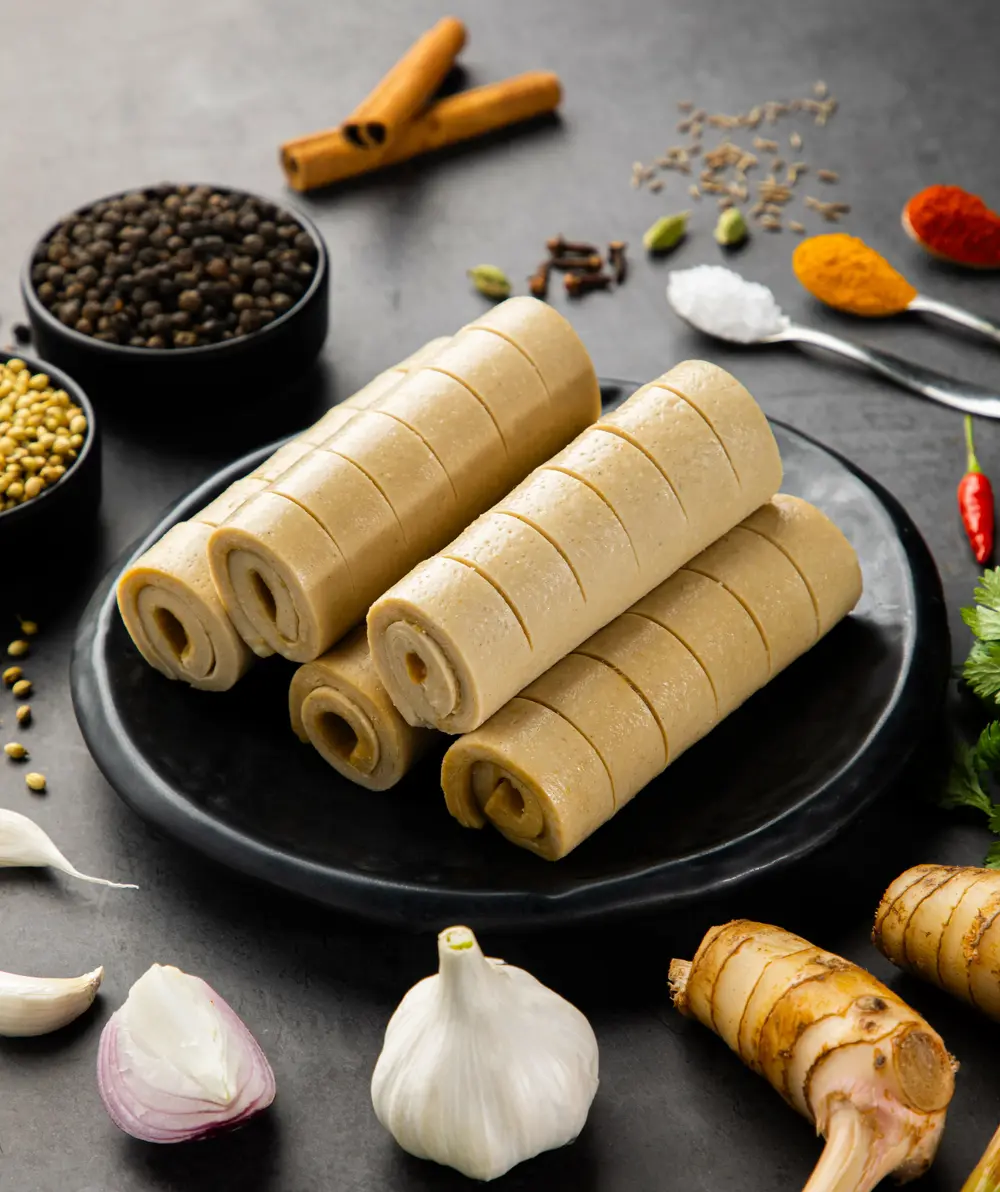
So we did something less glamorous. We took the same extrusion technology and adapted it to make chaap, a format millions of Indians already love and order on their own. Chaap, for what it is worth, is plant protein, and a genuinely high source of it. It just never got filed under "plant-based" because it feels cheap and local.
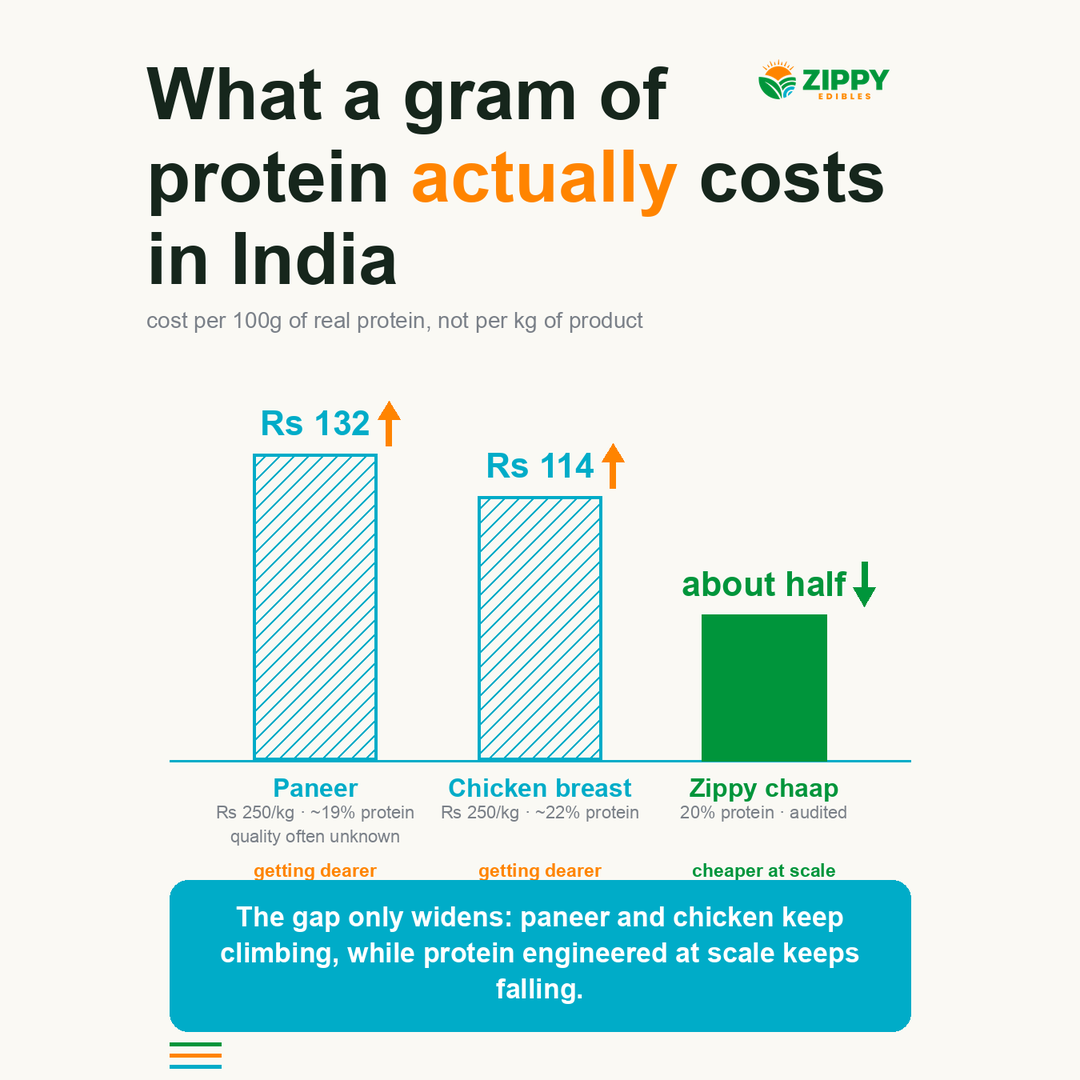
Once we built the process around an Indian price point instead of importing a western one, using commodity ingredients where it made sense, the economics stopped fighting us. Our chaap now lands at roughly half the cost of chicken breast or paneer, gram for gram of protein, while the global industry is still congratulating itself for getting close to parity with beef. That gap is not a branding trick. It is a factory.
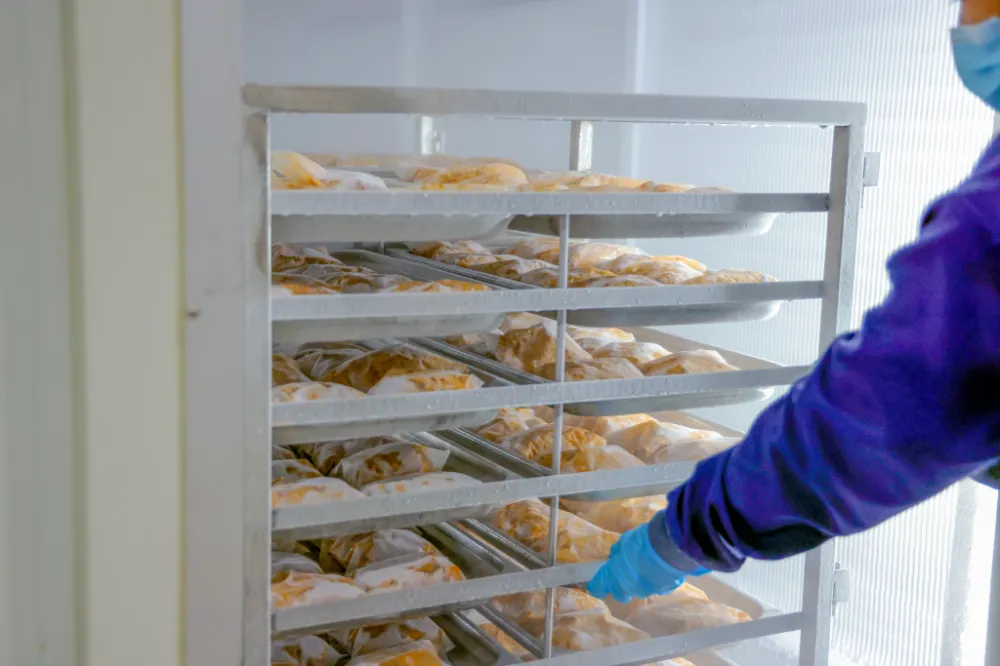
It is made by high-moisture extrusion, maida-free, and par-cooked in the process so it needs only a short finish in the kitchen.
The same discipline carries across the rest
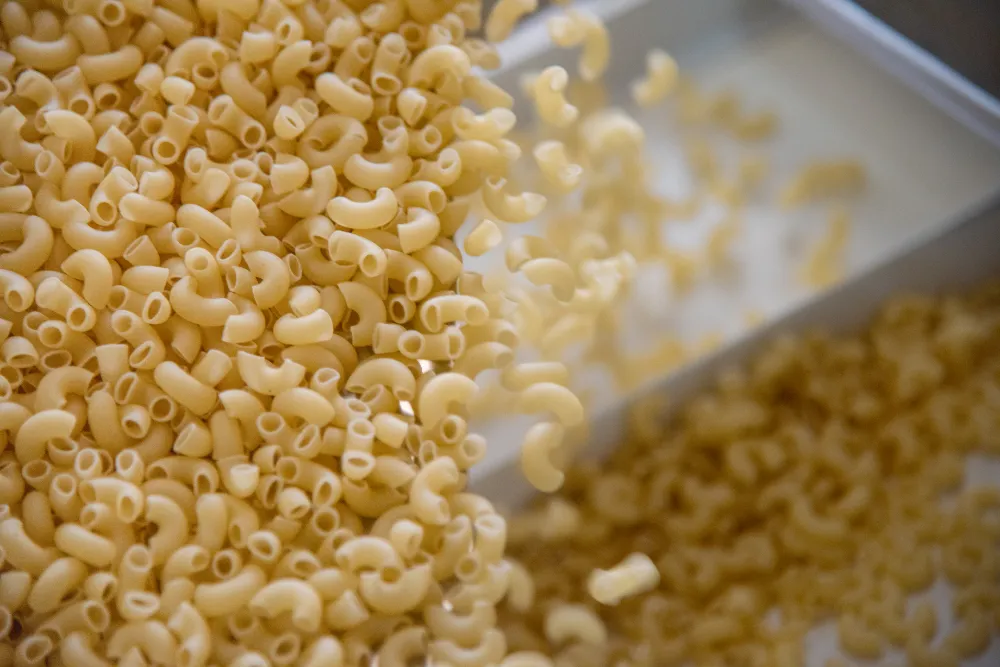
The same discipline carries into the rest of what we make. High-protein pasta and vermicelli. Fortified rice kernels. Fortified pulse kernels. Different lines, different products, the same idea underneath, and we keep building our own IP around the processes. Make a real nutritional format work at a price India will actually pay.
What connects them is not one machine. It is the manufacturing discipline: start from what the buyer will pay, then engineer the process backwards until the math closes. The plant protein story in India is really a process-engineering story wearing a branding costume.
Own the part that doesn't commoditise
I am not pointing fingers at the first wave, because I ran the same playbook myself for a while. The version that actually works is, honestly, a bit boring. Start from the price an Indian household or a chain will really pay, then work backwards and keep changing the process until the manufacturing closes that number. Made here, on commodity ingredients where it makes sense, in formats people already eat without being lectured about them. Cost first. The sermon never.
Brands compete on marketing, and the good ones are very good at it. I would rather own the part that does not commoditise. The part that is hard to build, harder to copy, and that I clearly did not understand when I started.
Still figuring out plenty of it. If you are building something protein-positioned and stuck on who actually makes it, that is the part I like talking about.
Frequently Asked Questions
What does a protein manufacturing problem mean?+
Why did the first wave of plant-based meat struggle in India?+
Did Zippy make the same mistake at first?+
Is soya chaap actually a high source of protein?+
Go Deeper
About the author
Sarthak Singhal is a director of Zippy Edibles, writing from the manufacturing side of the business. Before food, he was a mixed-signal and analog chip-design engineer (Intel, Analog Devices) and studied engineering at Georgia Tech. Connect on LinkedIn →