Ten years to 100 MT/day
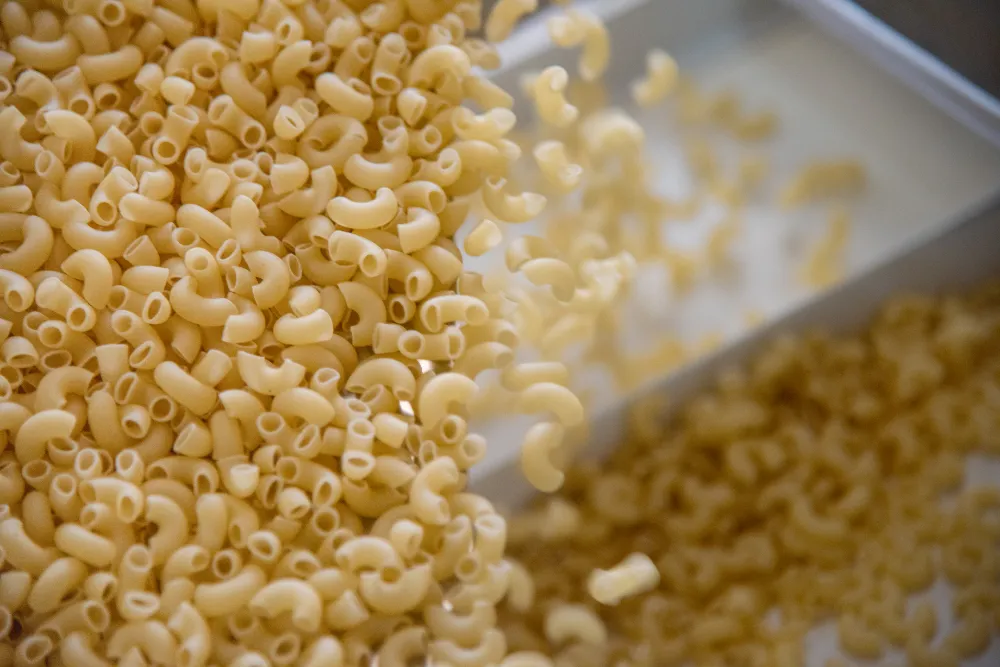
100 MT/day of pasta capacity might sound like a lot. Here is what it actually took: about ten years of accumulating it piece by piece. Two continuous steam cookers. A pilot extruder we commissioned specifically to develop specialty pasta formulations. The steam cooker and our gluten-free process equipment both landed during COVID, which meant commissioning European equipment while the world was locked down, with shipping delays and engineers troubleshooting our floor remotely from Europe.
So when a customer asks whether we can scale, the honest answer is that we already did. Slowly.
Why I don't build a consumer brand
People ask why I do not just build a consumer brand. For me the leverage is somewhere else. It is in process capability, in figuring out how to make things at a quality and price that work, not in fighting for shelf space and recall. A brand is a marketing game, and the good ones play it well. I would rather own the part that is hard to build and hard to copy.
How we became the backbone for 25+ brands
The pivot into contract manufacturing was not planned. A reseller asked if we could make a product they would sell as their own. We said yes. Then another asked. Now we are the production backbone for 25+ brands, and most people have eaten something we made without ever knowing our name.
There is something satisfying about that. We compete on capability, not brand: process, consistency, scale, and the ability to make a format work in the first place. That is where we add the value. It is the same reason I think of us as the line behind the brands rather than another label on the shelf, the longer version of which is here.
Two factories, one standard
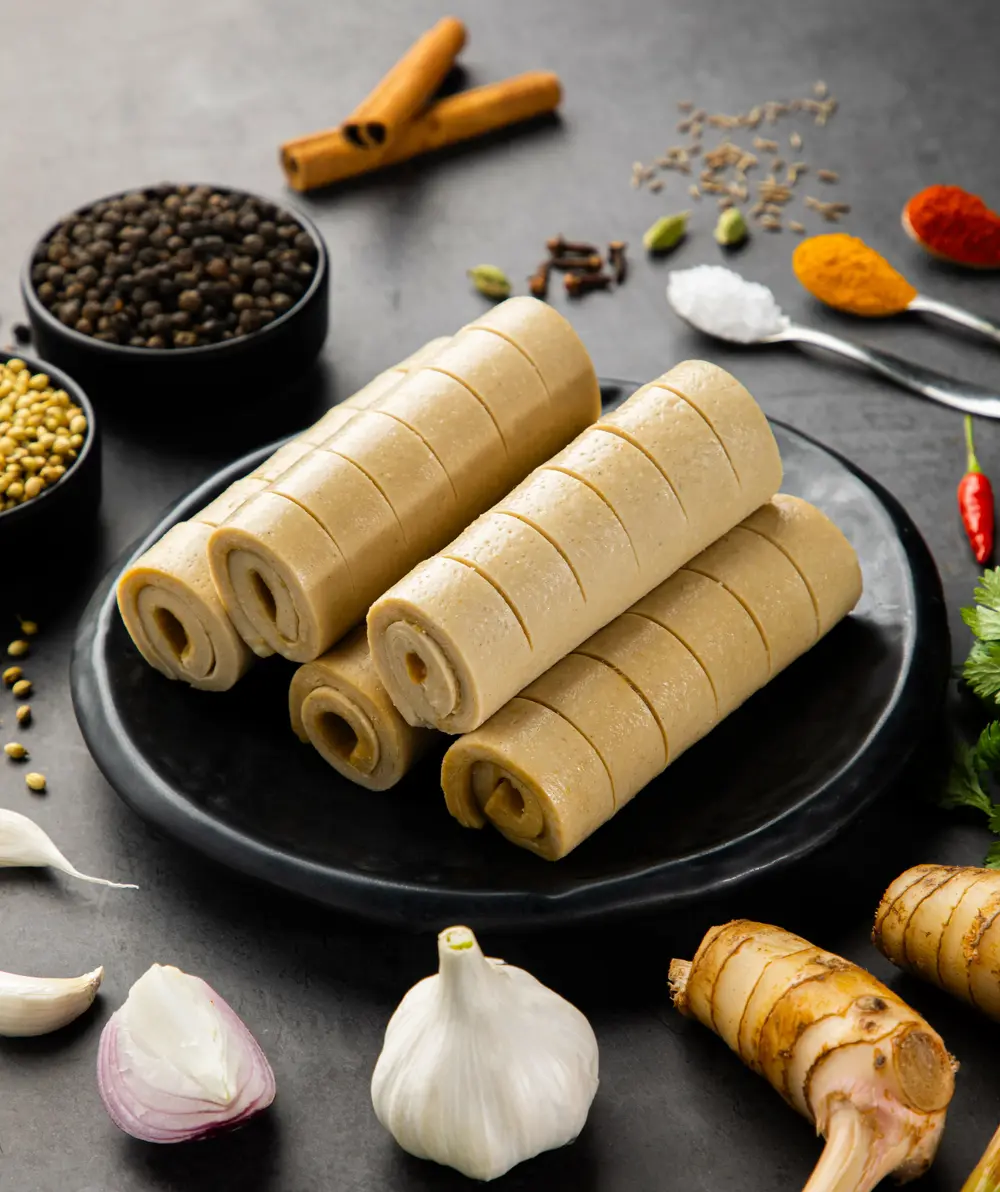
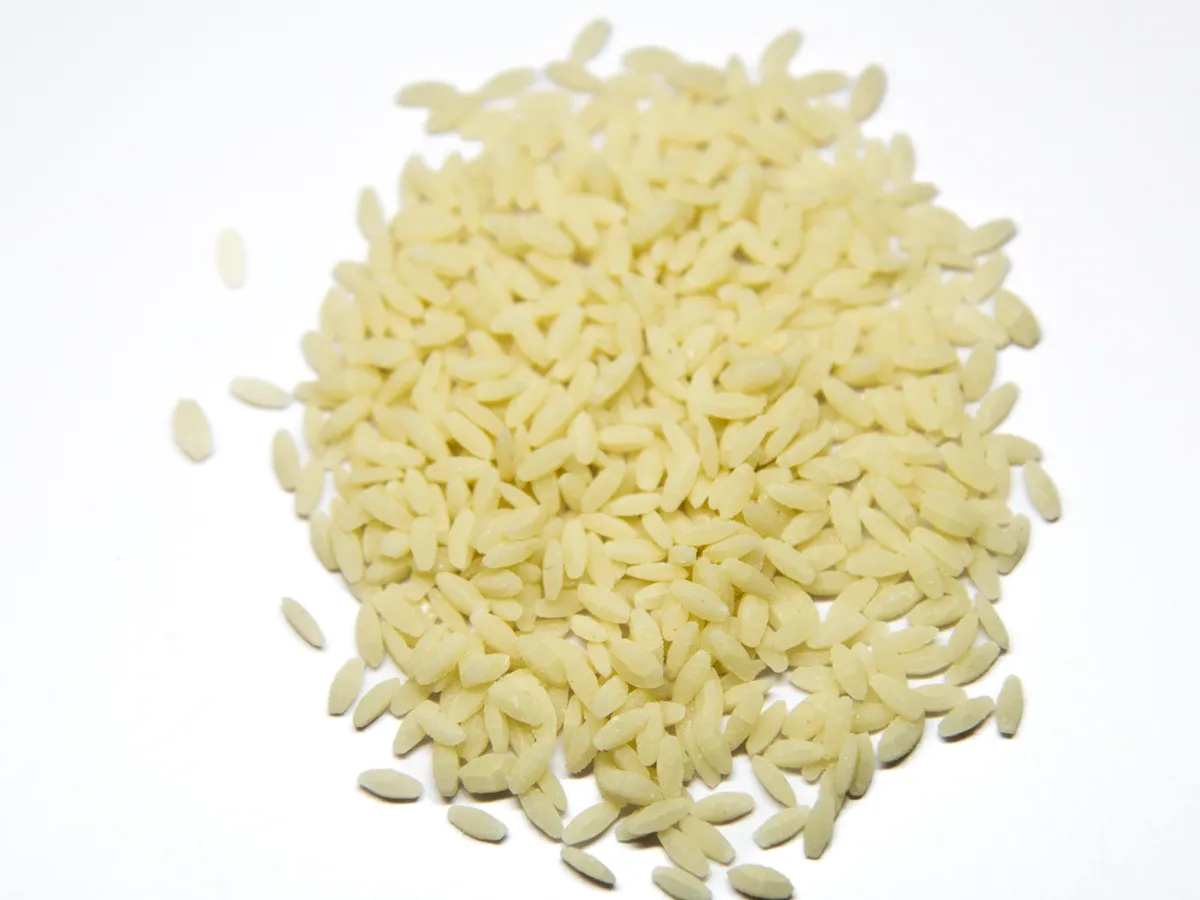
It runs across two facilities in Uttarakhand. Jaspur, our older plant, handles pasta and vermicelli, specialty rice and rice papad, with the 100 MT/day pasta capacity and a fortified rice and pulse installation alongside it. Rudrapur, the newer one, runs high-moisture extruded soya chaap, textured soy protein and frozen ready-to-cook. Both are FSSC 22000 certified, and both were built for scale rather than retrofitted into it.
Frequently Asked Questions
Who actually manufactures pasta for Indian brands?+
What is contract or private-label food manufacturing?+
How long does it take to build pasta manufacturing capacity?+
About the author
Sarthak Singhal is a director of Zippy Edibles, writing from the manufacturing side of the business. Before food, he was a mixed-signal and analog chip-design engineer (Intel, Analog Devices) and studied engineering at Georgia Tech. Connect on LinkedIn →