The gluten-free pasta that kept falling apart
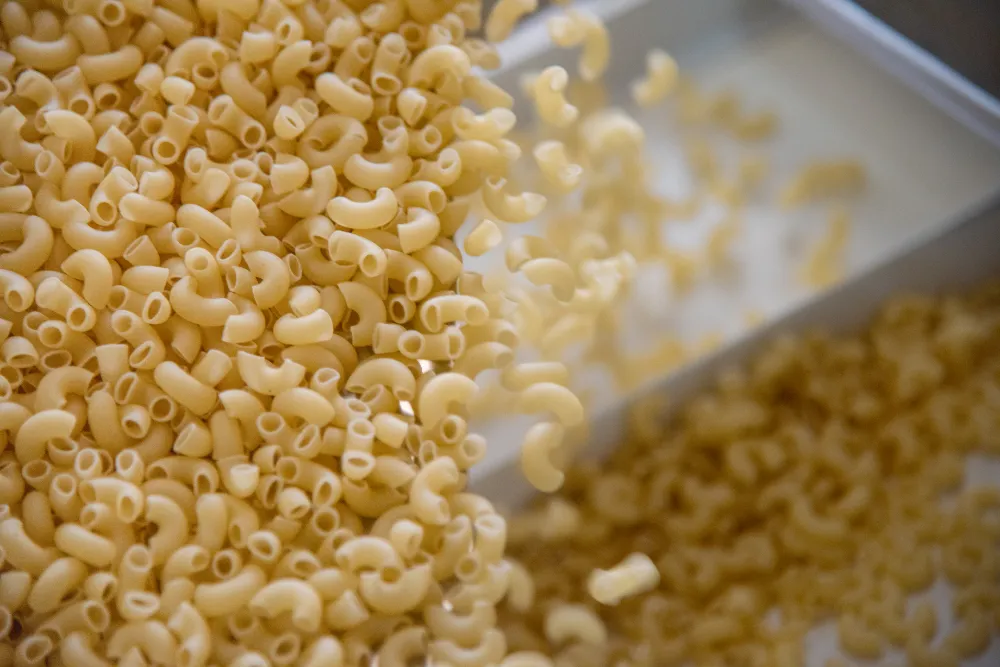
The first customer who asked us to make chickpea pasta did not stick around. Our early batches fell apart in the pot. That failure is what forced us to invest in a proper gluten-free process instead of treating it as a tweak on the wheat line.
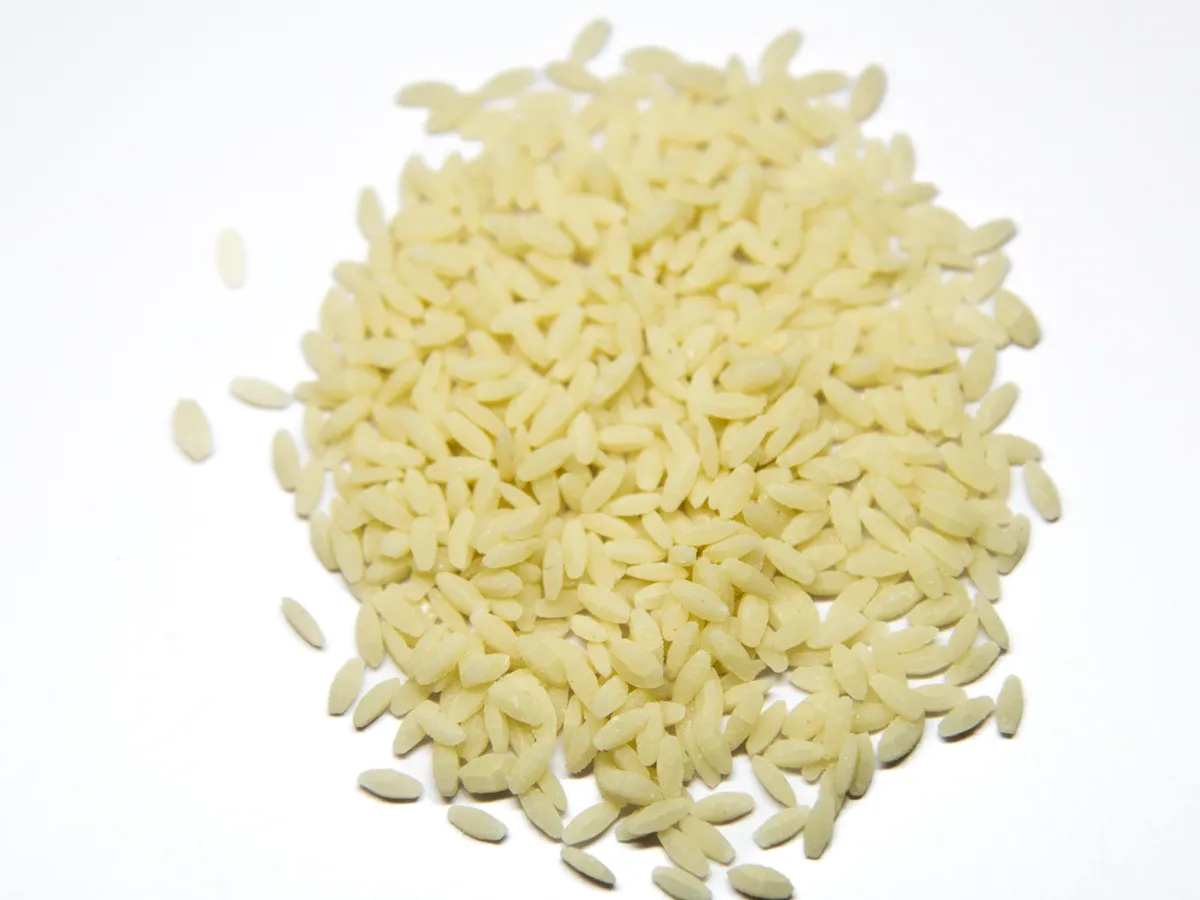
The fix was heat treatment, using it to build the structure that gluten normally provides on its own. Once the starch did the job gluten usually does, the pasta held together through cooking instead of turning to mush. We now make gluten-free pasta on request, from brown rice, chickpea and maize, and some of it ships to the UAE.
The roasting problem I couldn't out-engineer
A different product, a different wall. We spent months and something like five lakh rupees of trials trying to roast a product while holding on to yield, before I accepted what any physics student could have told me on day one.
Roasting means heat above 100 degrees, and above 100 degrees water leaves. The moisture has to go for the roast to develop, and every kilo of moisture you lose is weight you cannot sell. So we tried to cheat it. Fluidised bed roasters, steam pre-cooking, humidity-controlled chambers, temperature profiles adjusted dozens of times, all hunting for some clever window where we got the roast without the loss.
Some of it half worked. We could claw back two or three percent of moisture, but then the colour went pale, or the texture went soft, or the crispness just was not there, and quality is the one thing we will not trade. It took me embarrassingly long to see that we were not hitting a process limit. We were hitting thermodynamics. You can work around physics at the margins. You cannot beat it. So I stopped fighting the constraint and started designing within it: optimise for quality first, treat the moisture loss as the cost of doing it right.
Why these are the actual job
Neither of these is a glamorous story. No launch, no campaign, just a process that did not work until it did, and a constraint I had to stop arguing with. But this is the actual job. The hard part of affordable food in India is not the idea, it is the manufacturing: starting from the spec and the price the buyer will accept, then changing the process until the math closes, and knowing the difference between a problem you can engineer past and a law you have to design around.
That is the same discipline behind everything we make, from pasta and vermicelli to soya chaap. If you want the longer version of why I think manufacturing, not branding, is the real bottleneck, it is here.
Frequently Asked Questions
Can you make gluten-free pasta that does not fall apart in the pot?+
Why does roasting reduce yield?+
Is gluten-free pasta automatically lower quality?+
About the author
Sarthak Singhal is a director of Zippy Edibles, writing from the manufacturing side of the business. Before food, he was a mixed-signal and analog chip-design engineer (Intel, Analog Devices) and studied engineering at Georgia Tech. Connect on LinkedIn →